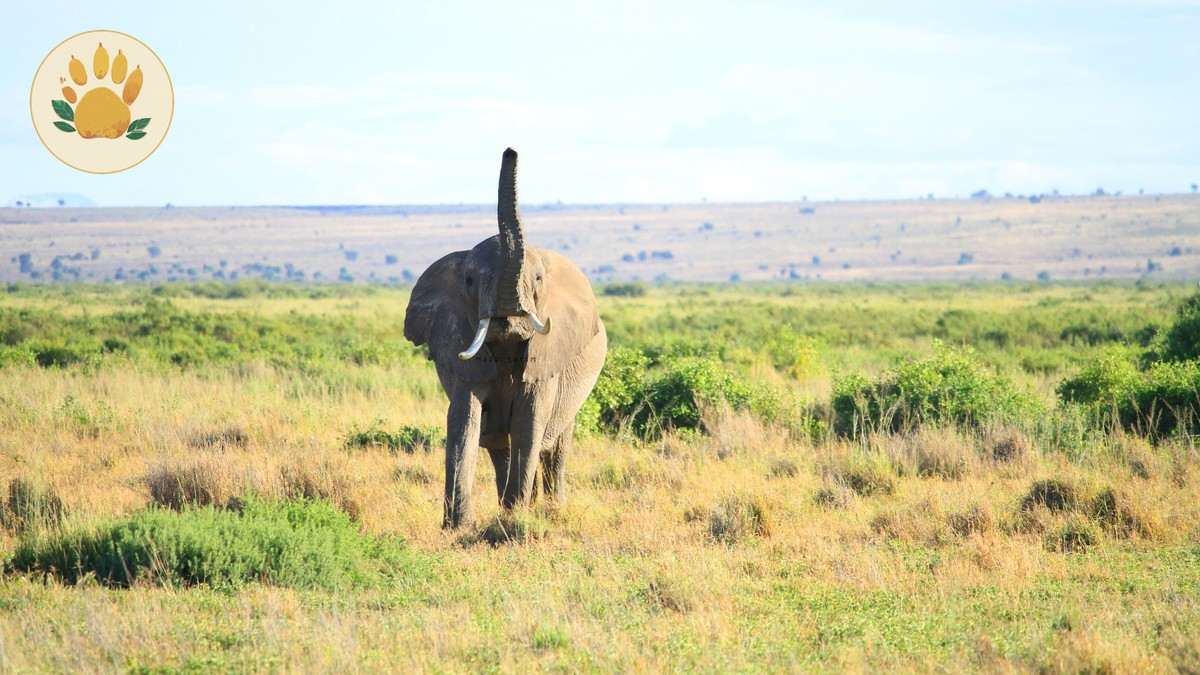
Most Kenyan parks keep you inside a vehicle for good reason. Hell’s Gate National Park, near Lake Naivasha, is the exception. Its landscape is open, its predators are largely absent, and the Kenya Wildlife Service allows visitors to cycle and walk freely among zebra, giraffe, and buffalo. That last part matters, and we will come back to it.
This Hell’s Gate National Park cycling guide covers the two marked circuits, current cost ranges, bike rental, and the safety judgment calls that most write-ups skip past.
Can You Actually Cycle Through a Kenyan National Park?
Yes. Hell’s Gate is the only park in Kenya where cycling and walking are officially permitted without an armed ranger at your side for most of the route. The park sits on the floor of the Great Rift Valley, roughly 90 km northwest of Nairobi, with flat and gently rolling terrain that suits a mountain bike far better than a game vehicle. There is no dense bush and few ambush predators, which is why KWS allows it here and almost nowhere else.
Getting to Hell’s Gate from Nairobi
The drive from Nairobi to the park’s Elsa Gate takes about 1.5 to 2 hours, covering roughly 90 km on the A104 through Naivasha town. Most visitors come by private vehicle or as part of a Naivasha day trip, park at Elsa Gate, and start cycling from there. Public matatus run to Naivasha town, but you will still need a taxi or boda boda for the final stretch to the gate.
Entrance Fees and Park Costs in 2026
KWS prices Hell’s Gate under its standard national park fee bands, which are split by citizen, resident, and non-resident status. As a rough 2026 guide, expect non-resident adult entry around USD 30 and children around USD 15 to 20, with citizen and resident rates far lower in KES. Because KWS revises these figures periodically, check the current KWS park fee categories before you travel rather than relying on numbers from an old blog post.
Bike hire, guide fees, and camping are billed separately from park entry, so budget for those as extras.
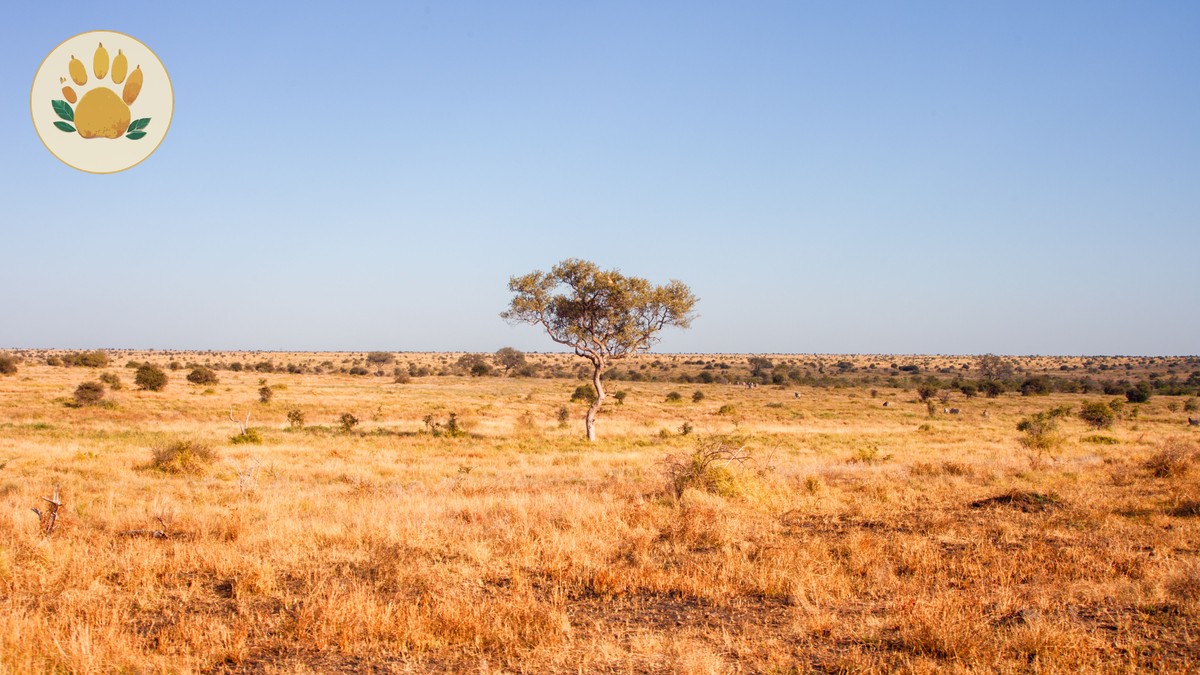
Hell’s Gate National Park Cycling Guide: Buffalo vs Twiga Circuits
Both routes start at Elsa Gate and loop through the park’s central plains, where you are likely to pass zebra, giraffe, warthog, and eland at close range.
| Route | Distance | Typical Time | Terrain | Starting Point |
|---|---|---|---|---|
| Buffalo Circuit | 14 km | 2 to 3 hours | Flat to rolling, gravel track | Elsa Gate |
| Twiga Circuit | 9 km | 1 to 1.5 hours | Flat, easier surface | Elsa Gate |
| Drive Nairobi to Elsa Gate | 90 km | 1.5 to 2 hours | Tarmac (A104) | Nairobi |
The Buffalo Circuit runs closer to the cliffs and gives better odds of spotting buffalo, hence the name. The Twiga Circuit, named for giraffe, is shorter and better suited to families or first-time cyclists who want a lower-effort ride.
Renting a Bike (or Bringing Your Own)
Local operators and small kiosks near Elsa Gate rent mountain bikes, typically in the range of KES 500 to 1,500 per day depending on condition and season. Availability is limited on busy weekends, so arrive early or arrange rental in advance if you are traveling with a group. You are also free to bring your own bike, which saves money and guarantees a machine you trust on the gravel sections.
Safety While Cycling Among Wildlife
This is the part most guides gloss over. Cycling here is genuinely unsupervised. There is no ranger riding beside you on either circuit, and buffalo are the animal most likely to cause a serious incident. They graze close to the tracks, can charge with little warning, and a bicycle offers no protection.
Our honest read: if you are traveling solo, new to Africa, or cycling with children, hire a local guide at the gate. It costs little and adds real judgment about animal behavior. Confident, experienced riders in a group of three or more can reasonably go without one on the Twiga Circuit. Whatever your choice, keep a visual line to your vehicle or gate, never approach animals for photos, and turn back at the first sign of an agitated buffalo.
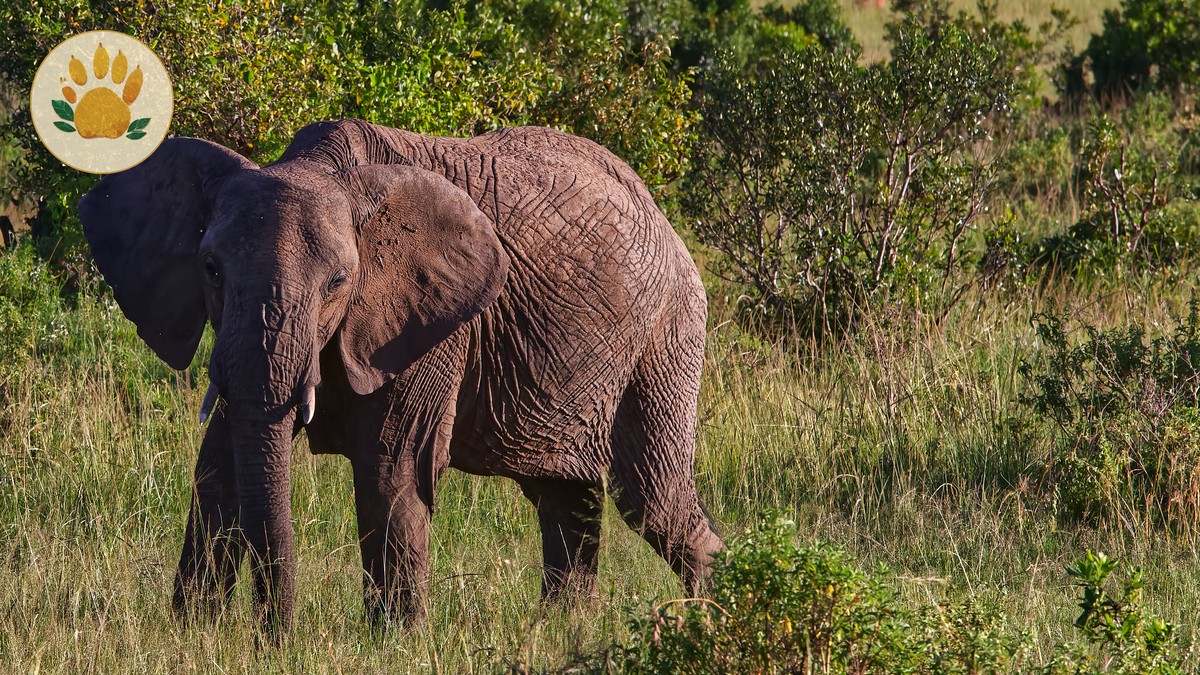
Best Time of Year to Cycle
The dry months, from June to October and January to February, keep tracks firm and visibility high. The wet season, especially April and May, turns sections of both circuits to mud and thickens the grass enough to hide wildlife from view. If you are building a wider Kenya trip around lower rates, our guide to cycling during Kenya’s green season covers what to expect from the shoulder months.
Hiking Add-Ons: Ol Njorowa Gorge and Fischer’s Tower
Once you have finished a circuit, two on-foot detours are worth the extra hour. Ol Njorowa Gorge is a narrow, steep-walled canyon near the park’s south end, best explored with a local guide who knows the safe path down. Fischer’s Tower, a 25-metre volcanic plug near Elsa Gate, is a short, popular stop for climbers and photographers and needs no separate fee beyond park entry.
Camping Inside the Park
Hell’s Gate has three named campsites worth knowing by name rather than description. Ol Dubai Public Campsite sits near Elsa Gate with basic facilities and the lowest fees, a sensible pick for a first night. Naiburta and Endachata are special campsites further into the park, quieter and closer to wildlife, but with no facilities and higher fees payable to KWS in advance. Families or anyone wanting an easy night should stick to Ol Dubai. Naiburta and Endachata suit experienced campers who value solitude over convenience.
Guided or Self-Guided?
Self-guided cycling works well for fit, confident riders sticking to the Twiga Circuit in daylight hours. A guide earns its cost on the Buffalo Circuit, around the gorge, or whenever children or first-time visitors are along. Guides also know which sections have seen recent buffalo activity, information you cannot get from a park map.
What to Pack for a Hell’s Gate Cycling Day
Bring closed shoes, a hat, sunscreen, and at least two litres of water per person, since the valley floor gets hot with little shade. A basic first aid kit, a spare bike tube if you brought your own bicycle, and cash in small KES notes for gate fees and rental round out the list. Binoculars help you spot wildlife from a safe distance before you get close enough to matter.
Olkaria Geothermal Spa and Where to Stay Nearby
Inside the park’s boundary, the Olkaria geothermal fields feed a small public spa where hot spring water is piped into pools, a good way to ease legs after a long ride. Around Lake Naivasha, accommodation ranges from budget campsites to mid-range lodges overlooking the water, most within a 20 to 30 minute drive of Elsa Gate. Staying near the lake also opens up boat rides to Crescent Island, another easy add-on for the same trip.
The SafariPure Difference
We treat Hell’s Gate as one strong day within a bigger trip, not a standalone gimmick. Our itineraries name the campsite, the circuit, and the guide arrangement before you leave home, using current KWS fee data rather than figures copied from older posts. If you want to see how a cycling day fits alongside game drives elsewhere, our guide on how to fit a Hell’s Gate cycling day into a longer Kenya itinerary shows a realistic sequence. We are also plain about the trade-offs: cycling here is unsupervised by default, and we say clearly when a guide is worth the extra cost rather than leaving you to guess.
Plan Your Ride with SafariPure
Hell’s Gate rewards travelers who plan the logistics before they arrive at Elsa Gate. If you would like help building a Naivasha cycling day into a wider Kenya safari, visit our Naivasha and Hell’s Gate tour page or get in touch and we will work out the details with you.